Restoring reefs. Feeding communities. Protecting ecosystems.
We work with local communities in the Mentawai Islands to bring life back to damaged reefs and bring fish back to village tab

Welcome to ReefConservation.earth, where we restore coral reefs by building carefully designed artificial reefs that calm waves, stabilise sand, and create habitat for marine life to return and thrive.

Every reef we restore and every green zone we protect in Mentawai takes real-world tools and local people, not just good ideas. Your support helps us buy reef‑safe building materials (cement, rebar and locally sourced rock), diving gear and a compressor to install artificial reefs safely, and fuel to reach remote village sites.
We also invest in education and monitoring. Donations fund school visits with local educators, kids’ colouring books and reef‑care T‑shirts, plus basic water‑testing equipment so we can track reef health (pH, salinity, nutrients and light) and share this data with global reef‑science networks.
A reef restoration initiative supporting marine life and coastal communities.
CORAL is a project dedicated to coral conservation — protecting and restoring reefs while enhancing biodiversity and supporting local communities. These efforts help rebuild damaged reef systems and create long-term benefits for both marine life and people who rely on the ocean for food and income.
By constructing artificial reefs, we create thriving ecosystems that attract and sustain diverse marine life, especially fish species that typically lack the shelter of natural reefs. These artificial structures provide a reliable source of food for coastal villages and help reduce pressure on remaining natural reefs.
They also act as natural barriers, protecting islands from wave action, strong currents, and erosion. Compared to solid seawalls, which often cause destructive backwash and accelerate coastal damage, artificial reefs and tapered wall designs are more effective at absorbing wave energy and preserving coastlines.
The ocean produces a large share of the world’s oxygen through marine microorganisms, which makes the protection of marine ecosystems vital for planetary health and the success of coral restoration. Protecting coastal vegetation is equally crucial, because when forests and plants are removed from ocean-facing hills, erosion increases and sediment flows into the sea, clouding the water, blocking sunlight, and smothering corals.
Our mission depends on sustainable fishing practices and community cooperation to maintain healthy, resilient marine environments, ensuring that coral reefs can continue to support life, livelihoods, and coastal protection for generations to come.

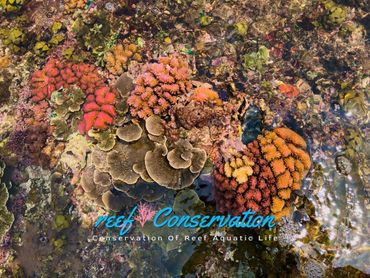
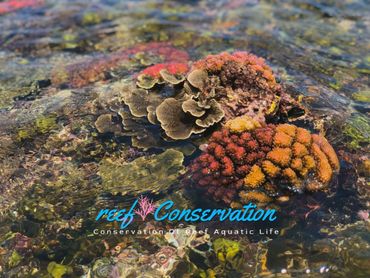
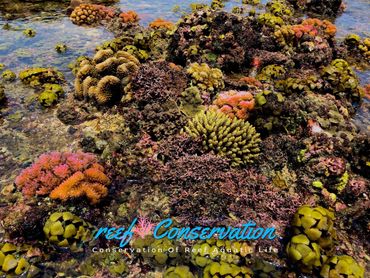
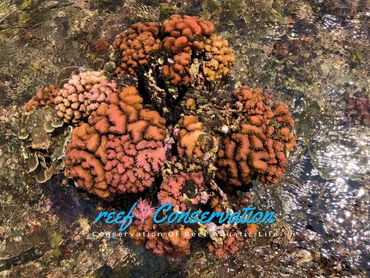
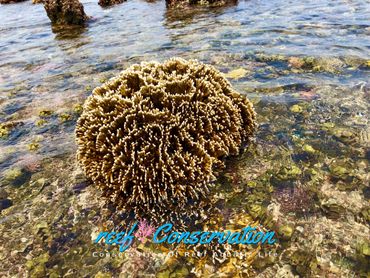
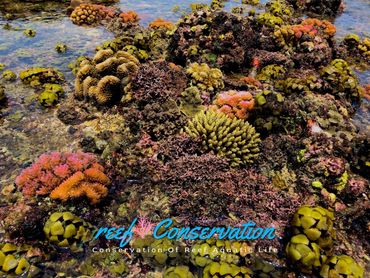

At reef Conservation, we believe that coral is the main building block for marine life. The habitat brings fish and more life. The healthier the reef faster it will grow. This brings more food for locals. And more protection for islands.
We work closely with local communities to understand their needs, reefs, and fishing grounds, then design simple, practical solutions together. Our focus is to create protected green zones, build artificial reefs, and use each project as a chance to educate more people about why reefs matter and how they can help protect them.
Our team combines experience in coral propagation, reef construction, water‑quality monitoring, and community engagement. We focus on simple, practical methods that can be replicated by local partners, and we plan to openly share our techniques and data so other organisations can learn from our results and track how different reef environments are changing.
Reef Conservation is built around people who share a passion for restoring reefs and supporting local communities. For every project, we aim to hire local people, creating jobs and building skills so reef restoration strengthens the local economy as well as the ocean.
We believe education and hands‑on experience create real ownership, especially for kids and youth. We also look for ways to support other good reef projects where we can, because the more people doing this work, the better it is for the ocean.
For the past 28 years, I’ve been heavily involved in the saltwater aquarium hobby. What started as a few tanks in my spare room, where I discovered we could grow corals, grew into a warehouse full of frag tanks where I propagated and cut living corals to produce more colonies.
What began as a hobby became my business, and now I want to use that experience to grow coral for reef restoration around the world. The most sustainable way to do it is in the ocean itself, using the sun and the sea instead of glass and electricity.
Indoor farming has given me a deep respect and passion for coral reefs. Now I want to give back to the ocean and dedicate my life to helping save coral reefs.



#ConservationOfReefAquaticLife

CORAL is a project focused on coral conservation, aiming to save reefs while also enhancing biodiversity and providing food fish for local villages. The construction of artificial reefs brings an abundance of life, creating zones that teem with fish that would typically lack the protection of natural reefs. As a result, these fish are present in much greater numbers. These artificial reefs not only supply food but also play a crucial role in protecting islands from wave action, strong currents, and erosion. In fact, artificial reefs are significantly more effective than solid walls, which can create strong backwash that eventually leads to erosion and collapse. A combination of reef restoration and tapered walls proves to be much more efficient in reducing wave power. Additionally, the ocean contributes more oxygen than rainforests, highlighting the importance of protecting our marine ecosystems if we want to sustain coral restoration efforts. It is essential to stop the removal of forests and vegetation from ocean-facing hills, as this leads to topsoil and sands quickly eroding into local reefs. This constant sedimentation creates cloudy water, diminishing sunlight and hindering coral growth while also smothering them and causing added stress. Sustainable fishing practices are vital to ensure the health of these marine ecosystems and the resilience of our coral reefs.
Join our community and follow our instagram , Facebook, you tube and Tictok stay informed about our work, there are many ways to get involved with reef Conservation.
CORAL at Togat Nusa is about more than building reef structures – it’s about protecting local reefs, bringing fish back close to shore, and supporting the people who rely on them. By working with Togat Nusa Retreat and nearby villages, we can test reef designs, train local guardians, and show guests first‑hand how reef restoration protects both waves and livelihoods.
This project combines years of coral‑farming experience with a real love for Mentawai, its reefs, and its communities.
Togat Nusa Retreat in Mentawai Islands, Sumatra

Friendly locals keeping an eye on us
Blue Spot Ray the rays are important for reef health.
Staghorn acropora doing what they do best .... growing .
